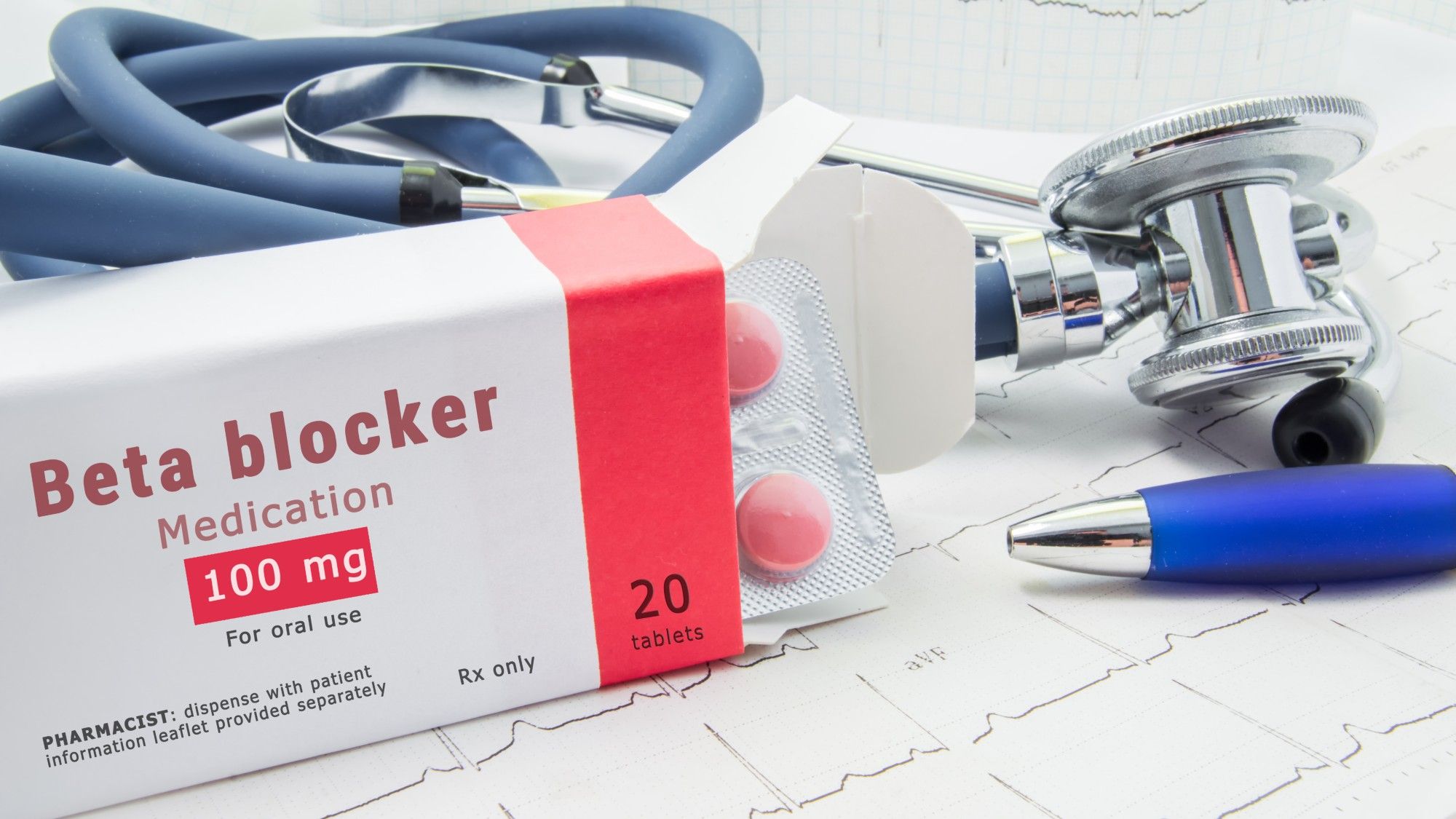
Propranolol, hailed by Hollywood celebrities, is considered non-addictive but still comes with risks
“A little blue pill is creating a stir in Hollywood,” said Dipa Kamdar, senior lecturer in pharmacy practice at Kingston University, London, on The Conversation. “And no, it’s not Viagra.”
For several years now, celebrities have been singing the praises of propranolol, a beta-blocker originally designed for heart conditions which also helps with anxiety. Kristen Bell, Rachel Sennott and Natasha Rothwell have all mentioned taking the pill at red-carpet events over the past year. Four years ago, Khloé Kardashian admitted she borrows her mother’s medication to calm her nerves, while Robert Downey Jr started his 2024 Golden Globe acceptance speech by saying he had just taken a beta-blocker “so this will be a breeze”.
These A-lister endorsements have led, in part, to a surge in prescriptions, especially among young women and girls, with propranolol now the “go-to pill for dealing with all sorts of stressful situations, from public speaking to first dates”, said The Wall Street Journal.
Escape your echo chamber. Get the facts behind the news, plus analysis from multiple perspectives.
The beta-blocker was approved by the US Food and Drug Administration in 1967 for the treatment of heart problems including high blood pressure, arrhythmia (irregular heart rate) and angina. But it soon became clear the drug also reduced physical responses to anxiety, such as high heart rate, sweating, nausea and trembling hands. And while other medications prescribed for anxiety, like certain anti-depressants, can take weeks to work, propranolol can take effect within an hour.
Unlike drugs like Xanax or Valium, which “act directly on the brain and can leave people feeling sedated, foggy, or zoned out”, propranolol doesn’t address anxiety’s “underlying roots” but “blocks its physical symptoms” by slowing down the heart rate and lowering blood pressure, said The Boston Globe.
“It’s a beta-blocker, not a bravery booster”, said Kamdar. “It won’t fix your fear of public speaking or make you smoother on a first date – though it might stop your hands from shaking while you try.”
In the US, overall prescriptions are up 28% from 2020, while NHS England figures show an increase of 37.6% over the past decade, according to data seen by The Observer. The biggest rise in the UK has been among girls aged between 12 and 17 – up from 618,813 prescriptions in 2015 to more than 1.1 million in 2025. The second highest increase in use – at 81.7% – is among women aged 18 to 23.
The increasing popularity of beta-blockers among young women and girls “points to a generation that has grown up with the pressures of social media and an epidemic of gender-based violence, as well as the isolating effects of Covid”, said the outlet.
As well as its speed and availability, its appeal may also lie in the fact that, unlike other mental health medication, “culturally” propranolol is “portrayed lightly – as if it’s nothing more than a breath mint”, said The Boston Globe.
Compared to Xanax or Valium, propranolol is a non-addictive and low-risk medication. However, “it’s not without risks or side-effects”, said Kamdar on The Conversation. Because propranolol works to reduce blood pressure and heart rate, common side-effects include dizziness, fatigue, cold hands and feet, and vivid dreams. “More serious risks – though rare – include heart failure, breathing difficulties and allergic reactions”.
In the UK, where propranolol is licensed to treat anxiety, its effects have been “more scrutinised”, said the WSJ. The General Pharmaceutical Council has highlighted the risk of overdose following the death of a 17-year-old girl in 2023, who died after taking propranolol along with other pain-relief medication. The UK’s National Institute for Health and Care Excellence anxiety-management guidelines recommend cognitive behavioural therapy, mindfulness and antidepressants as initial treatments.